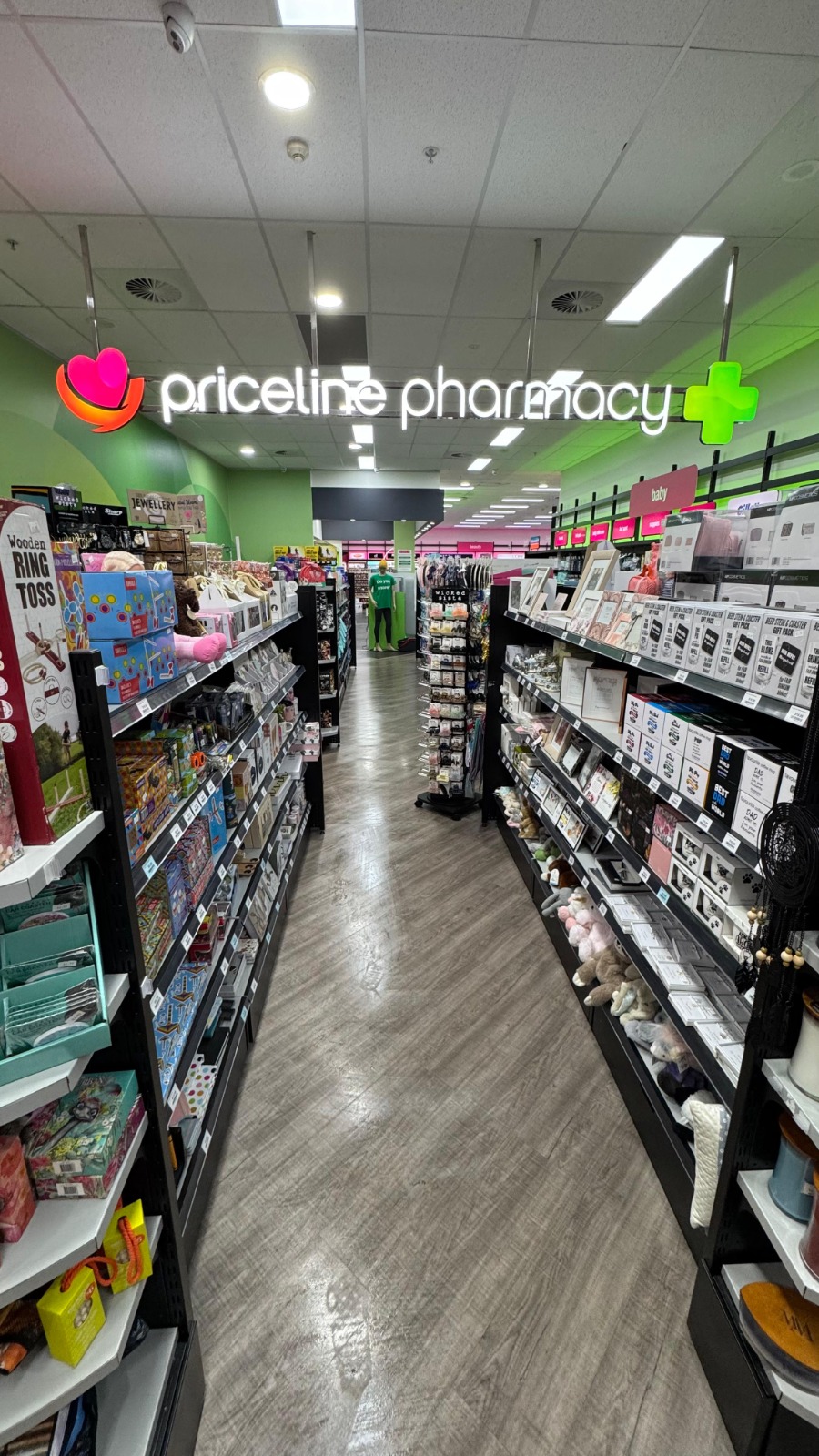
Retail pharmacies sit in a unique cleaning bracket. They're not medical facilities under the strict infection control definition, so they don't need hospital-grade protocols across the board. But they aren't standard retail either. Customers walk in with health concerns, buy products they'll ingest or apply to their skin, use testers touched by dozens of other customers, and interact with a pharmacist who prepares medication metres away. The cleaning brief that works for a fashion store or a homewares chain leaves a pharmacy visibly under-cleaned to any customer who's paying attention.
We do pharmacy cleaning for retail chemists and the pattern is consistent. The generic retail contract fails on the details that matter most in a pharmacy setting. Here's what a proper brief covers.
What Makes Pharmacy Retail Different
Three things change the cleaning brief for a pharmacy compared to standard retail.
First, the trust signal. A dirty clothing store loses fashion-conscious customers. A dirty pharmacy loses customers who read the dirt as a health hazard. The perception cost is higher and the recovery is slower.
Second, product sensitivity. Pharmacies stock ingestible medications, skincare that goes onto broken skin, baby formula, vitamins, and supplements. Dust settling on product packaging reads differently to a customer than dust on a homewares display. It looks unsafe.
Third, the mixed-use floor. A single pharmacy has a beauty section (heavy tester traffic), a general health section (low-touch), a dispensary (staff-only, higher hygiene), and often a consulting area or vaccination room. Each has its own cleaning standard. A single cleaning pass across the store misses this.
The Dispensary Zone
Not the pharmacist's back-of-house prep area. The customer-facing dispensary counter, waiting area, and the space directly around it.
This zone needs stricter standards than the beauty aisle. Customers waiting for scripts are often unwell. Coughing and sneezing happens more here than anywhere else in the store. General germ transfer too. The counter surface, the payment terminal, the pen chained to the counter, the chair or bench in the waiting area, all need daily disinfection with proper contact time.
The pharmacist and staff also handle physical medication and packaging. The counter surface where they place a bag of dispensed medication for a customer to pick up should never carry visible soil or greasy fingerprints.
Standard commercial cleaning contracts skip this level of detail because it isn't in the scope. Pharmacy retail cleaning has to build it in.
Beauty and Product Testers
The tester wall in a pharmacy is a hygiene disaster if it isn't managed. Lipsticks, foundations, moisturisers, perfumes, eye products, and any tester that touches skin can transfer bacteria between customers. Testers themselves are usually cleaned by staff between customer uses (or should be). But the shelf around them, the mirrors above them, the tester bar countertop, all of it accumulates makeup residue and foundation smudges. Fingerprints too.
Nightly clean of the tester zone is baseline. Twice daily during high-traffic periods (weekends, Christmas season) is realistic for busy metropolitan pharmacies.
The mirrors above tester bars deserve specific mention. Fingerprints and product smudges show against light immediately, and a smudged mirror in a pharmacy beauty aisle reads as cheap in a way most owners underestimate.
High-Touch Surfaces Specific to Pharmacies
Beyond the standard retail touchpoints (door handles, POS, trolley handles), pharmacies have their own set:
- Blood pressure machine handles and cuffs (if the pharmacy has one)
- Height and weight scale platforms
- Vaccination chair arms and surface
- Consulting room door handle and surfaces
- Prescription drop-off basket or tray
- Waiting area chairs
- Product testers themselves (as separate from the tester bar surface)
- Baby change area if provided
These need daily disinfection with a TGA-listed disinfectant and proper contact time. Wiping and immediately drying doesn't kill anything.
Vaccination Areas
Pharmacy vaccination has become standard across most chemists since COVID. Flu, COVID boosters, travel vaccines, and shingles vaccines are administered in a designated area or consulting room.
The cleaning brief here sits between retail and medical. Not hospital-grade sterilisation, but well above the shopping floor standard. After every vaccination session, the chair and surfaces get disinfected. Sharps disposal happens correctly. The floor around the chair gets attention because dropped alcohol swabs and packaging accumulate fast.
A commercial pharmacy cleaning contract that treats the vaccination area the same as the rest of the shop floor is missing the compliance and hygiene reality.
Floor and Entrance Zone
Same rules as any retail: the entrance carries around 60% of tracked-in soil, and the floor is the biggest visible asset. Pharmacy floors are usually vinyl or hard tile, which shows dirt faster than carpet but is cheaper to maintain properly.
Auto-scrubber overnight, spot-clean during trading hours for spills. Wet weather is a specific challenge because customers coming in from rain track water directly through the beauty and general health aisles. Entry matting rotation during wet periods is worth the labour.
Safe Work Australia Compliance
Cleaning in retail is a WHS matter as much as a customer experience one. Safe Work Australia's guidance on managing risks in retail services lists cleaning procedures among the required control measures for slip and fall risks, which are the most common retail injury category. Pharmacies compound this because customers walking in for medication are often less steady on their feet. A slip in a pharmacy carries higher injury risk than in a general retail store.
Practical means addressing spills within minutes, drying floors properly after cleaning, using non-slip cleaners on hard floors, and rotating entry matting during wet weather.
Frequency Benchmarks
Daily (multiple times during trading): high-touch surfaces at counter and dispensary, tester bar mirrors and countertops, vaccination area after each session, entrance zone, spills as they occur.
Daily (after hours): full floor clean, all surfaces detailed, dispensary counter and waiting area disinfected, glass front and back, beauty aisle tester bars restored, restock consumables in staff and customer bathrooms if applicable, bins emptied.
Weekly: full mirror and glass detail, back-of-house staff areas including tea point, deep-clean vaccination area, HEPA-vacuum any soft furnishings.
Monthly: light fittings, ceiling vents, high dust, behind shelving and display units, walk-through with pharmacy management to identify anything drifting.
Quarterly: hard floor deep clean (strip and reseal if needed), full glass exterior detail, deep-clean product testers and tester bar structures.
What a Good Pharmacy Cleaning Contract Specifies
A commodity contract lists rooms and frequencies. A proper chemist cleaning brief covers:
- The chemical specification (TGA-listed disinfectants for high-touch surfaces and dispensary zone, pH-neutral for vinyl or engineered flooring)
- The equipment specification (auto-scrubber for hard floor, sealed HEPA commercial vacuum for any carpet, colour-coded cloths)
- The mid-day maintenance scope during trading hours
- The disinfectant contact time required on high-touch surfaces (30 seconds minimum after clean)
- The vaccination area protocol separately from the general shop floor
- The escalation protocol for spills, illness incidents, or biohazard (a customer being unwell in-store is not unusual for a pharmacy)
- The reporting standard (daily sign-off, weekly summary)
Contracts written this way cost more, usually 20 to 30 percent over commodity quotes. They also protect the trust perception that drives pharmacy repeat business.
When Professional Pharmacy Cleaners Earn Their Place
Pharmacy retail cleaning sits between routine commercial cleaning and specialised customer-facing service with health overtones. A retail cleaning operation with pharmacy experience understands the trading hours pattern, knows the compliance framework under WHS, has separate protocols for vaccination areas, and has the reporting structure to give pharmacy management visibility on what's being done.
If you're running a pharmacy or a pharmacy chain and want cleaning that protects the health-trust signal customers respond to, our retail cleaning service covers pharmacy retail specifically including dispensary and tester bar protocols plus the vaccination area setup.