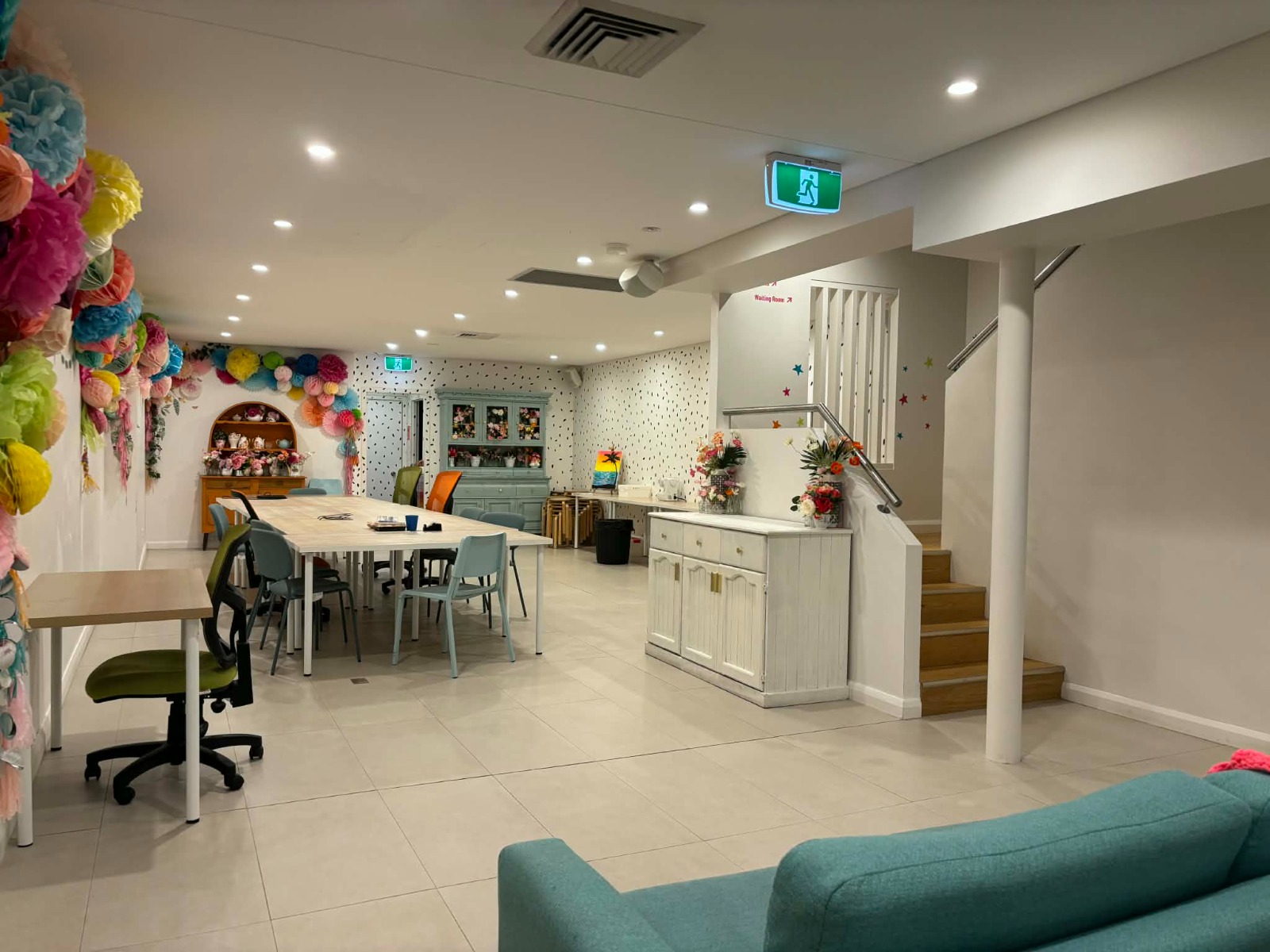
Children in early childhood education and care catch more infections than children at home, and the reason is simple. They spend the day in close physical contact with other kids whose immune systems are also still developing, in spaces where germs transfer constantly between hands, surfaces, and toys. Cleaning is one of the few things a centre can actually control to slow that down.
We do childcare cleaning for early education and care providers and the gap between centres that cut illness rates and centres that don't is consistent. Method matters more than effort.
The Australian standard for hygiene in this setting is the National Health and Medical Research Council's Staying Healthy: Preventing infectious diseases in early childhood education and care services, now in its sixth edition. The guide is the reference every Australian centre should be working from. Five key practice areas drive most of the outcomes: hand hygiene, surface cleaning and disinfection, food handling, body fluid management, and exclusion of sick children. Surface cleaning is where commercial cleaners in childcare facilities earn their place.
Here's the method that holds up to NQS audit standards.
Cleaning Is Not Disinfecting
Cleaning removes the visible soil and any body fluid residue from a surface. Disinfecting kills bacteria and viruses on an already-clean surface. The two are separate steps. A surface that's been cleaned has not been disinfected. A disinfectant sprayed onto soil does almost nothing because the soil shields the bugs from the chemical.
Disinfectant needs contact time. Spraying a surface and immediately wiping it dry kills almost nothing. The product label specifies the required dwell time, usually 30 seconds to several minutes, and that time is non-negotiable.
In a childcare cleaning context, the disinfectant also needs to be safe for the surface and safe for children to be around. Standard hospital-grade quaternary ammonium disinfectants work well. Plain unscented bleach diluted correctly is the fallback. Anything fragranced or marketed as "natural" without a TGA listing is unlikely to meet the hygiene standard required.
The High-Touch Surfaces That Drive Transmission
Childcare environments have surfaces other commercial settings don't. Each of these gets cleaned and disinfected daily at minimum as part of a proper childcare centre cleaning routine.
Toys. Hard plastic toys go into a dishwasher cycle weekly and get wiped daily. Soft toys go through a 60°C wash cycle weekly. Toys a child has put in their mouth come out of rotation immediately and get sanitised before going back in.
Mats and crash pads. Wipe down with a clean detergent solution after each use, then disinfect. Mat covers go through a hot wash weekly.
Tabletops where children eat or do craft. Two-step every meal: clean with detergent, rinse, then disinfect with the proper dwell time before the next use.
Change tables. Disinfect after every nappy change. Use a separate cloth that only ever touches change tables.
Toilet seats and door handles in bathrooms. Taps too. Multiple cleans daily. Hot zone for illness transmission.
Cot rails, sleep mats, bedding. Daily for high-touch (rails), weekly hot wash for fabrics, immediate attention to any soiled item.
Outdoor equipment. Often overlooked. Sand pits and climbing frames need a weekly clean. Ride-on toys too. Plus immediate attention to any visible soil.
Bathroom and Toilet Protocols
Childcare bathrooms get hit hard. Commercial childcare cleaning standards are higher than a residential or office bathroom.
Toilets get cleaned and disinfected at minimum twice daily, more in larger centres. The cleaner needs to address the seat, the bowl interior, the cistern, the floor immediately around the base, and the door handle on the way out.
Children's hand washing facilities need cleaner attention multiple times daily. Soap dispensers checked and refilled. Tap handles wiped. Splashback area on the wall around the basin, because kids splash everywhere.
Floors
Vacuum daily with a HEPA system. Carpet in childcare environments accumulates spilled food, body fluids, sand from outdoor play, and microbe loads that don't show on a surface inspection. Carpet shampoo by a professional every three to six months, plus immediate spot treatment for any visible soil.
Hard floors get swept and mopped daily, with a detergent solution. After any spill of body fluid or food, the area gets cleaned and then disinfected as a two-step.
The Outbreak Response
When a gastro or influenza case is identified, the centre escalates cleaning frequency immediately. All shared surfaces get full clean and disinfect every two to four hours for the period of risk. Toys the affected child handled come out of rotation and go through the dishwasher or laundry depending on type. Bathroom touchpoints get hit every hour during operating hours. The NHMRC guidelines have specific exclusion periods for each major infection, and a centre that follows them while running outbreak-level cleaning typically contains an outbreak within a week.
Frequency Summary
Daily: all high-touch surfaces, toilets and bathrooms (multiple times), floors swept and mopped, food prep and serving areas, toys in use that day.
Weekly: soft toys, mat covers, deep clean of bathrooms, all cots stripped and sanitised, outdoor equipment, behind heavy furniture.
Monthly: walls and high surfaces, light fittings, vents and exhaust fans, carpet deep vacuum.
Quarterly: professional carpet steam clean, window cleaning inside and out, full storage area clean-out.
Where Professional Cleaners Fit
Educators clean as they go through the day. That's not the same as the dedicated end-of-day deep clean a centre needs. A regular commercial cleaning contract that includes proper two-step disinfection, attention to all surfaces above, and outbreak protocols built into the scope is what holds the centre to NQS hygiene standards.
A standard contract that only covers vacuuming and surface wiping is missing the point. Childcare centres need cleaners who understand the difference between cleaning and disinfecting, and who use TGA-listed products with proper contact times. They also need to scale up cleaning during an outbreak. Ask any provider you're considering whether outbreak protocols are part of the scope or charged extra.
If you operate an early education centre and want cleaning that holds up to audits and actually reduces illness, our education and childcare cleaning service handles the full scope including outbreak protocols. The right early education cleaning team has these protocols built in as standard.