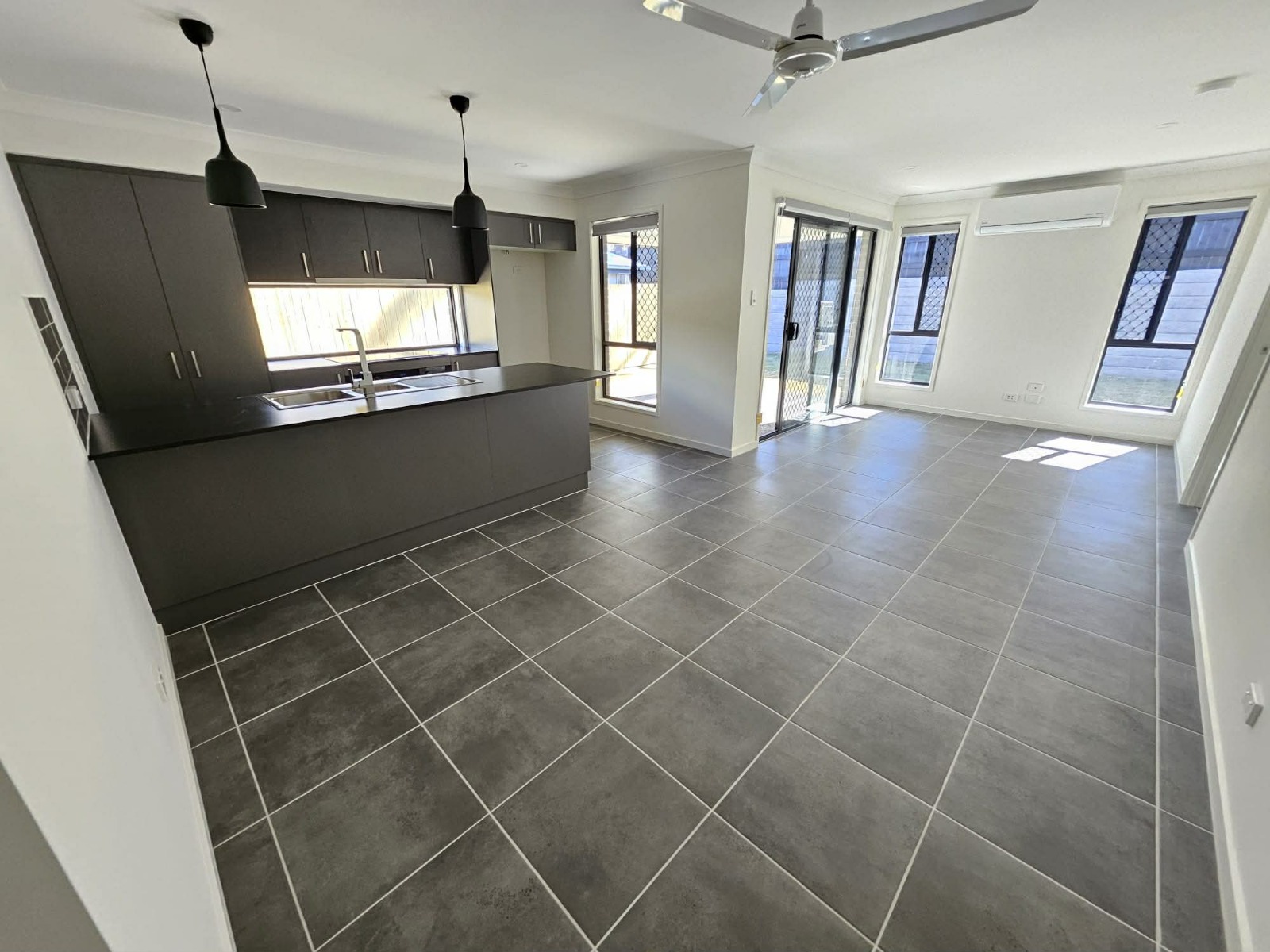
Most tenants approach end of lease cleaning as a checklist problem. Get the oven done, wipe the skirtings, vacuum the tracks, hope for the best. What they don't realise is there's an actual legal standard underneath all of it, and knowing what that standard says changes both how you clean and what happens if your bond gets withheld.
I've handled hundreds of end of lease cleans across Sydney. Taken over from failed bond cleans regularly. Sat with tenants disputing partial bond claims at inspection follow-ups. The pattern is consistent. Tenants who understand the legal framework do better than tenants who just try to make the property look clean.
Here's what NSW tenancy law actually requires at end of lease, and how to protect yourself.
The "Reasonable Cleanliness" Standard
Under the Residential Tenancies Act 2010 (NSW), a tenant must leave the premises "as nearly as possible in the same condition, fair wear and tear excepted, as at the commencement of the tenancy."
Note what this doesn't say. It doesn't say "spotless." It doesn't say "professionally cleaned." It doesn't say "better than move-in."
The standard is: same condition as move-in, allowing for fair wear and tear.
Which means the condition report you signed on day one is the reference document. Not the property manager's opinion. Not the landlord's preferences. Not what a bond clean industry standard checklist covers. The condition report.
Most tenants don't refer back to their move-in condition report when planning their end of lease clean. That's mistake number one.
What Property Managers Actually Check vs What the Law Requires
Property managers work from an inspection checklist that goes well beyond the legal standard. Which is legitimate. They're representing the landlord's interests and looking for anything that could justify a bond claim. Their checklist typically includes:
- Inside the oven and rangehood filter
- Window tracks and screens
- Skirting boards throughout
- Inside all wardrobes and cupboards
- Behind removable appliances
- Grout and silicone condition
- Extractor fan covers
- Balcony and outdoor spaces
If your end of lease cleaning doesn't cover these, the property manager will flag them and try to claim from your bond. Whether that claim would actually survive at NCAT is a different question. But you don't want to test it.
The Professional Cleaner as Evidence
Here's the part most tenants don't know. NSW tribunal decisions have consistently found that tenants who hired a professional cleaner were liable for only a fraction of any disputed cleaning cost, even when the property wasn't left spotlessly clean.
The professional receipt stands as evidence you took reasonable steps to meet your obligations. NCAT tenancy tribunal weighs this. Landlords who claim significant cleaning costs against tenants who have professional cleaning receipts often lose or settle for much less than claimed.
NCAT's tenancy dispute process is the formal path if your bond is unfairly withheld. The tribunal is free and doesn't require a lawyer. Most tenants don't use it because they don't know it exists or don't want the hassle. But it exists and it works.
Documentation on Move-Out Day
Before you hand back the keys, do this:
Photograph every room in detail. Wide shots of each space, then close-ups of anything that might be disputed. Timestamped through your phone camera. Store in the cloud somewhere you can access later.
Photograph the oven interior, rangehood filter, inside every cupboard, bathroom grout, window tracks, and any wall marks. If the property manager tries to claim these were left dirty, your photos are the counter-evidence.
Keep the receipt from your bond cleaning service if you hired one. Landlord-standard receipt with itemised scope. Time and date included.
Do a walk-through with the property manager if possible. Note their comments in writing. Anything they say is fine at the walk-through can't reasonably be flagged as a problem two weeks later.
The Actual Cleaning Standard
Assuming you're doing the clean yourself or hiring a cleaners Sydney wide service, the scope should cover:
Kitchen
Oven interior including racks and door glass. Rangehood filter through the dishwasher. Splashback and bench detail. Inside every cupboard and drawer. Fridge interior and seal if included. Sink and tap fittings. Floor mopped.
Bathroom
Toilet inside and out including base. Shower screen with limescale removal. Bath scrubbed. Grout treated for mould. Silicone checked. Extractor fan cover cleaned. Vanity and mirror. Floor mopped.
Living Areas
All skirting boards damp-wiped. Cobwebs cleared. Light fittings dusted. Windows cleaned. Blinds or curtains dusted. Doors and doorframes wiped. Carpets HEPA vacuumed. Hard floors mopped.
Bedrooms
Same as living areas plus inside wardrobes wiped and top of wardrobes dusted. Wardrobe base vacuumed too.
Outdoor
Balcony or courtyard swept and hosed. Glass balustrades cleaned. Any outdoor light fittings dusted. Bins washed.
Windows and Tracks
Interior glass done both sides where possible. External glass to ground level. Every window track vacuumed and brushed clean.
Real end of lease cleaning Sydney wide operators cover all of this as standard scope.
Timing
Book your end of lease clean 5-7 days before your move-out date. Not the day before. Not the morning of. You need buffer time for:
- Any touch-ups the cleaner identifies
- Final walk-through with the property manager
- Rectification of anything flagged during walk-through
- Photo documentation before hand-back
Booking the clean too close to move-out means you're moving furniture and cleaning around it, which defeats the purpose.
If Your Bond Is Unfairly Withheld
Property manager sends you a bond claim you disagree with. Don't argue via text or email endlessly. The formal path is:
- Written response to the property manager disputing the claim with your evidence (photos, receipts)
- If they don't withdraw, apply to NCAT for a tenancy dispute hearing
- Bring your evidence to the tribunal
NCAT tribunal hearings are informal and free. Usually resolved within a few weeks. Landlords and property managers know this and often settle before hearing if you push back with proper evidence.
When Professional Cleaning Actually Pays Off
If your bond is meaningful (Sydney rentals often have four weeks rent as bond, which can be $2,000-4,000+), the risk-adjusted cost of professional cleaning is usually worth it. Even at $500-700 for a proper bond clean, that's a small fraction of the bond you're protecting.
Doing it yourself works if you're methodical and have the time. Most people who try to save money by DIY-ing end of lease cleaning end up paying twice. Once in cleaning products and hours, then again when the property manager finds enough issues to justify a partial claim.
Professional cleaners Sydney wide who specialise in end of lease work know exactly what property managers check and hit those spots specifically.
If you'd rather have someone else handle the end of lease clean properly, our end of lease cleaning service covers the full scope with bond-back guarantee.